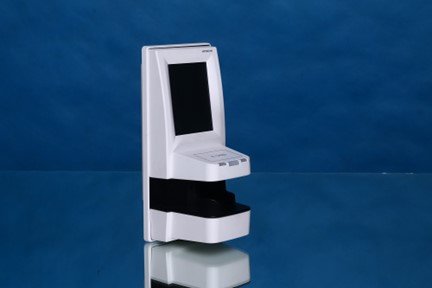
Identification Devices
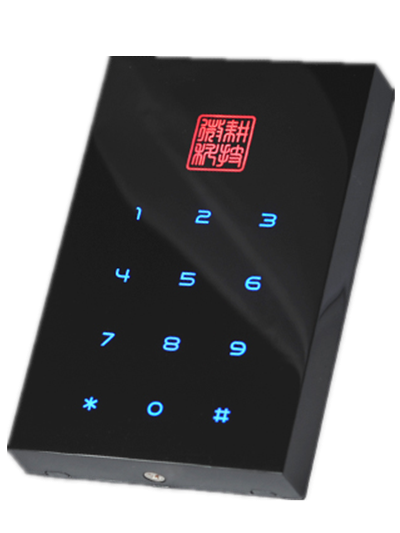
Card reader
A card reader is a device used to read and process data stored on various types of cards. It is an essential component of access control systems, payment terminals, identification systems, and data retrieval devices.
There are different types of card readers available, each designed to read specific types of cards. Some common types include:
- Magnetic stripe readers: These readers are designed to read data from a magnetic stripe on the back of a card. They are commonly used for credit cards, debit cards, and hotel key cards.
- Smart card readers: Smart cards have an embedded microchip that stores data. Smart card readers interact with the chip to securely read and write information. They are frequently used for identification cards, access control cards, and payment cards.
- Proximity readers: Proximity cards, also known as contactless cards or RFID cards, utilize radio frequency identification technology. Proximity readers can scan and read the data on the card without physical contact, simply by waving or tapping the card near the reader. They are commonly used for access control in buildings.
- Barcode readers: While not technically "cards," barcode readers scan barcodes printed on cards, tickets, or badges. They are used in various applications, such as retail, ticketing, and inventory management.
- Biometric readers: Biometric card readers combine traditional card reading capabilities with biometric technology, such as fingerprint or facial recognition. These readers provide an additional layer of security by requiring both the card and the user's specific biometric data to grant access.
Card readers function by extracting the encoded data from the card and transmitting it to a connected system or database for processing. This data can include identification numbers, access privileges, payment information, or any other relevant details stored on the card. Overall, card readers offer secure, convenient, and efficient ways to access and manage data stored on cards across various industries and applications.
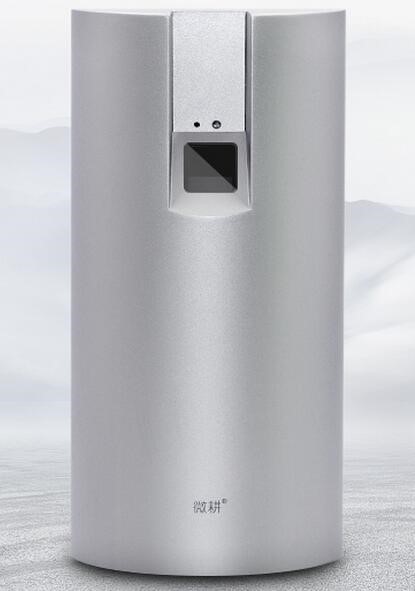
Fingerprint reader
A fingerprint reader, also known as a fingerprint scanner or biometric reader, is a device that captures and analyzes the unique patterns of ridges and valleys on an individual's fingertips.
The process of using a fingerprint reader typically involves the following steps:
- Enrollment: During the initial setup, a user's fingerprint is scanned and recorded by the reader. The reader identifies the distinct features of the fingerprint, such as the pattern type (arch, loop, or whorl) and specific ridge endings or bifurcations. These features are converted into a digital template or algorithm, which is stored securely in the system's database.
- Authentication: When a user needs to gain access or verify their identity, they place their finger on the reader. The reader captures a new scan of the fingerprint and compares the extracted features with the stored templates in the database. If there is a match, access is granted or the identity is confirmed. If it doesn't match any stored templates, access is denied.
Fingerprint readers utilize various technologies to capture the fingerprint image, including optical scanners, capacitive sensors, and ultrasonic sensors. Each technology has its own strengths in terms of image quality, durability, and resistance to spoofing (fake fingers). The use of fingerprint readers offers several advantages. They provide a high level of security since fingerprints are unique to each individual. They are also convenient, as users do not need to remember passwords or carry access cards. In summary, fingerprint readers are biometric devices that use the unique patterns on an individual's fingertips for identification and authentication purposes.
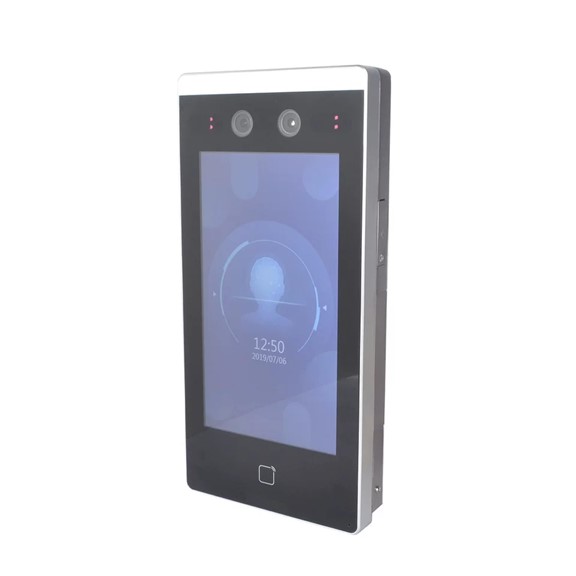
Facial recognition device
A facial recognition device is a technology that uses biometric algorithms to identify and verify individuals based on their facial features.
The process of facial recognition involves several steps:
- Enrollment: Similar to other biometric systems, the user's face needs to be initially registered in the system. The facial recognition device captures an image or video of the individual's face from various angles. The software then analyzes the image and extracts unique facial characteristics, such as the distance between the eyes, the shape of the nose, and the contours of the face. These features are converted into a mathematical template or faceprint and stored securely in a database.
- Detection and Alignment: When a person approaches the facial recognition device, it continuously scans the field of view to detect faces. Once a face is detected, the software aligns and normalizes the image, adjusting for factors like lighting conditions, pose, and facial expressions, to ensure accurate analysis.
- Feature Extraction and Matching: The software extracts the facial features from the live image and compares them against the stored templates in the database. Using complex algorithms and machine learning models, the system calculates a similarity score to determine if there is a match. If the score exceeds a certain threshold, the identity is verified, and the corresponding action, such as granting access or logging attendance, is triggered.
Facial recognition devices can employ different technologies, such as 2D or 3D imaging, to capture and analyze facial features. 3D facial recognition is generally more accurate and resistant to spoofing (using photos or masks to deceive the system) as it captures depth information. In summary, facial recognition devices utilize biometric technology to identify and authenticate individuals based on their unique facial features. They provide a convenient, contactless, and highly secure method for access control and identification in diverse applications.
Vein recognition device
A vein recognition device, also known as vascular biometrics or palm vein scanner, is an advanced biometric technology that identifies individuals based on the unique patterns of veins in their palms, fingers, or even the back of their hands.
The process of vein recognition involves the following steps:
- Infrared Imaging: The vein recognition device utilizes near-infrared light to capture an image of the individual's veins. When a person places their hand or finger near or on the scanner, the near-infrared light passes through the skin and is absorbed by the deoxygenated blood in the veins. This creates a distinct pattern of dark lines, representing the vein structure, against the lighter surrounding tissue.
- Pattern Extraction: The captured infrared image is then processed by specialized software algorithms. The software extracts the unique vein pattern from the image and converts it into a digital template or mathematical code. This template is securely stored in a database for future comparisons.
- Authentication: When the individual needs to be identified or granted access, they present their hand or finger to the scanner again. The device captures a live near-infrared image of the vein pattern. The software compares this live image against the stored templates in the database using complex matching algorithms. If there is a match, the identity is verified, and the corresponding action is authorized.
Vein recognition offers several advantages as a biometric authentication method. Firstly, vein patterns are unique to each individual, including identical twins, providing a high level of accuracy and security. Secondly, since the veins are located beneath the skin, the technology is highly resistant to external factors such as dirt, moisture, or cuts on the skin's surface, ensuring reliable identification. In summary, vein recognition devices utilize near-infrared light to capture and analyze the unique patterns of veins in an individual's hand or finger. This advanced biometric technology offers a highly secure and reliable method for identification and access control, with benefits such as privacy, accuracy, and resistance to external factors and spoofing.